Galerija RIMA – at the MoBU International Art Fair of Bucharest 2025
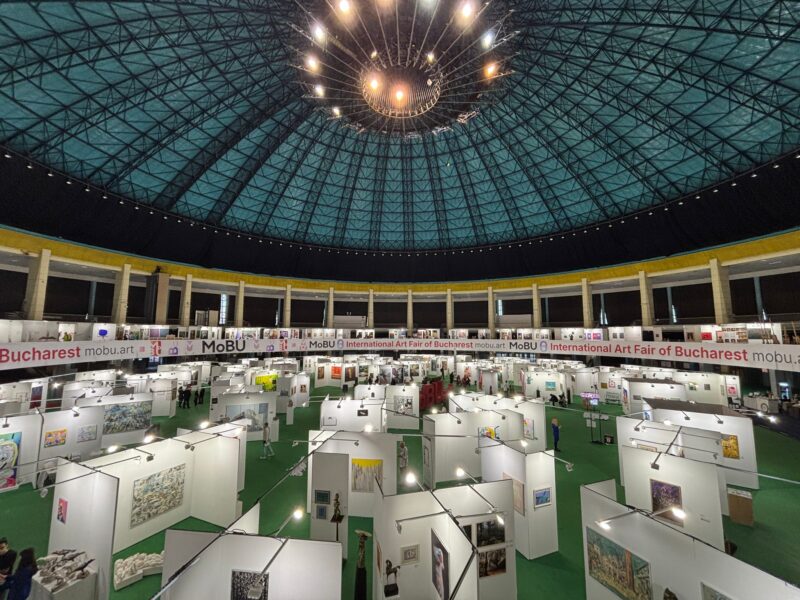
At MoBU 2025, Galerija RIMA participated with a remarkable selection of works by Milorad Bata Mihailović, Milan Blanuša, Jože Ciuha, Perica Donkov, Đorđe Ivačković, Srđan Đile Marković, Žolt Kovač, Dušan Otašević, and Rade Tepavčević, thus establishing an important bridge between tradition and contemporaneity in the art of Serbia and the former Yugoslav region. Founded in 2008, Galerija RIMA operates in two cities – Belgrade and Kragujevac – and has established itself through a program dedicated to promoting both renowned 20th- and 21st-century artists as well as contemporary creators. With over a hundred exhibitions and collaborations with major cultural institutions, the gallery’s presence at MoBU reflects its commitment to presenting innovative curatorial reinterpretations and professional support for artists from the region.
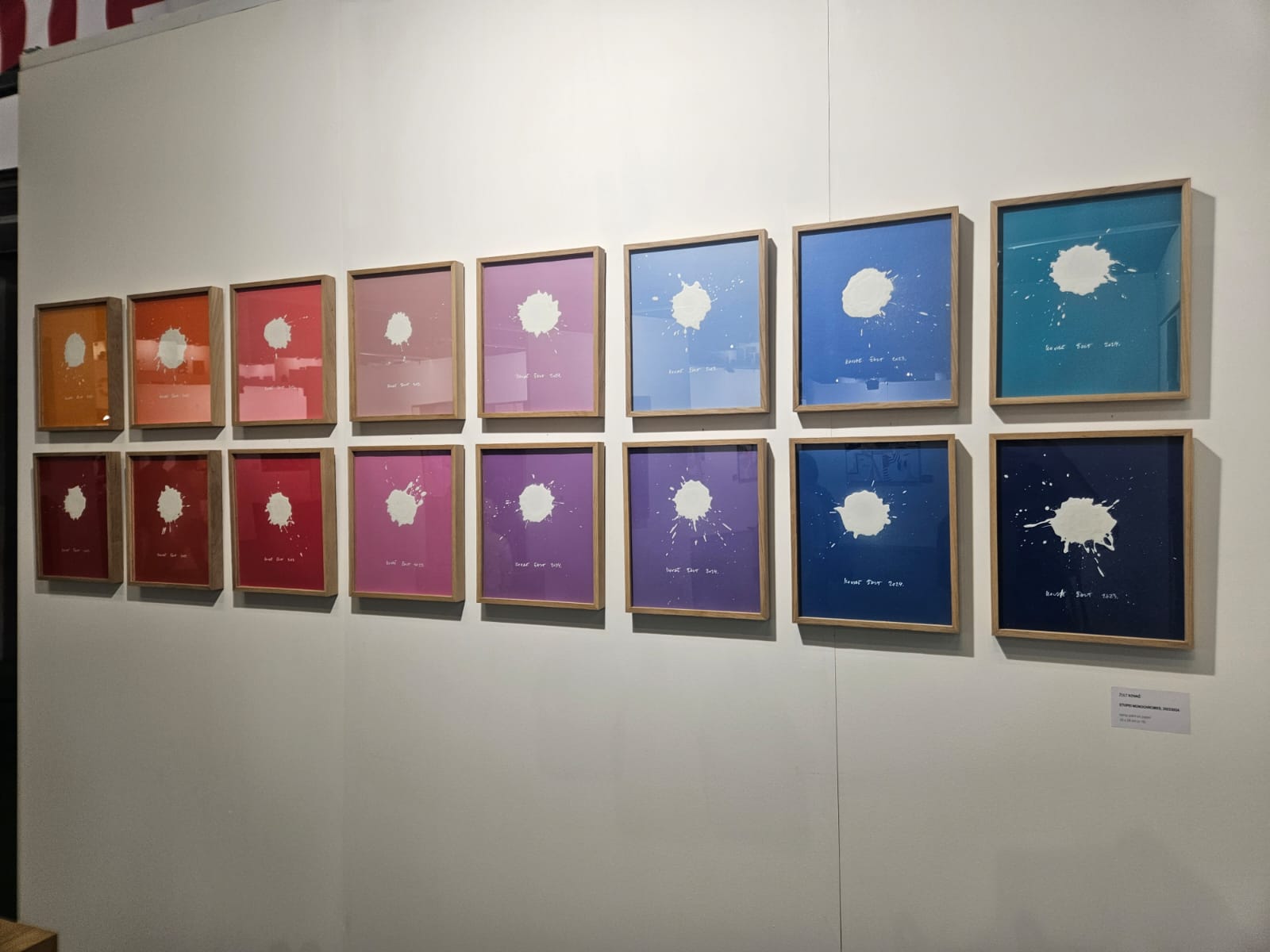
This thematic and generational openness was especially evident in the work of Žolt Kovač, who focuses on understanding and redefining the role of abstract painting in the contemporary world. Through his Stupid Paintings series, he challenges traditional ideas about abstract art, using simple forms and colors to reflect on current social values and processes. Abstract vision today no longer carries convoluted, symbol-laden meanings – it simply exists. For Kovač, painting is a form of free expression, where the past serves as a starting point, not a constraint. His works combine clear aesthetic expression with a deep analysis of the meaning and position of art in society.
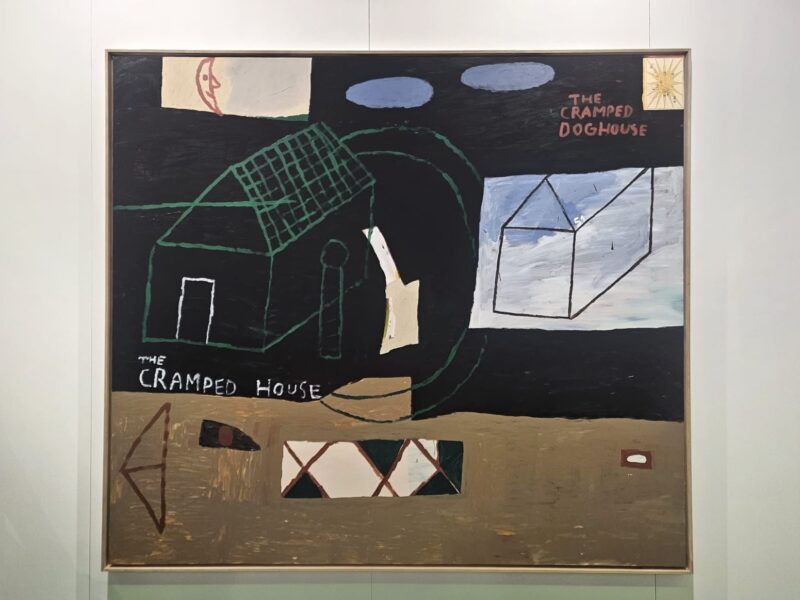
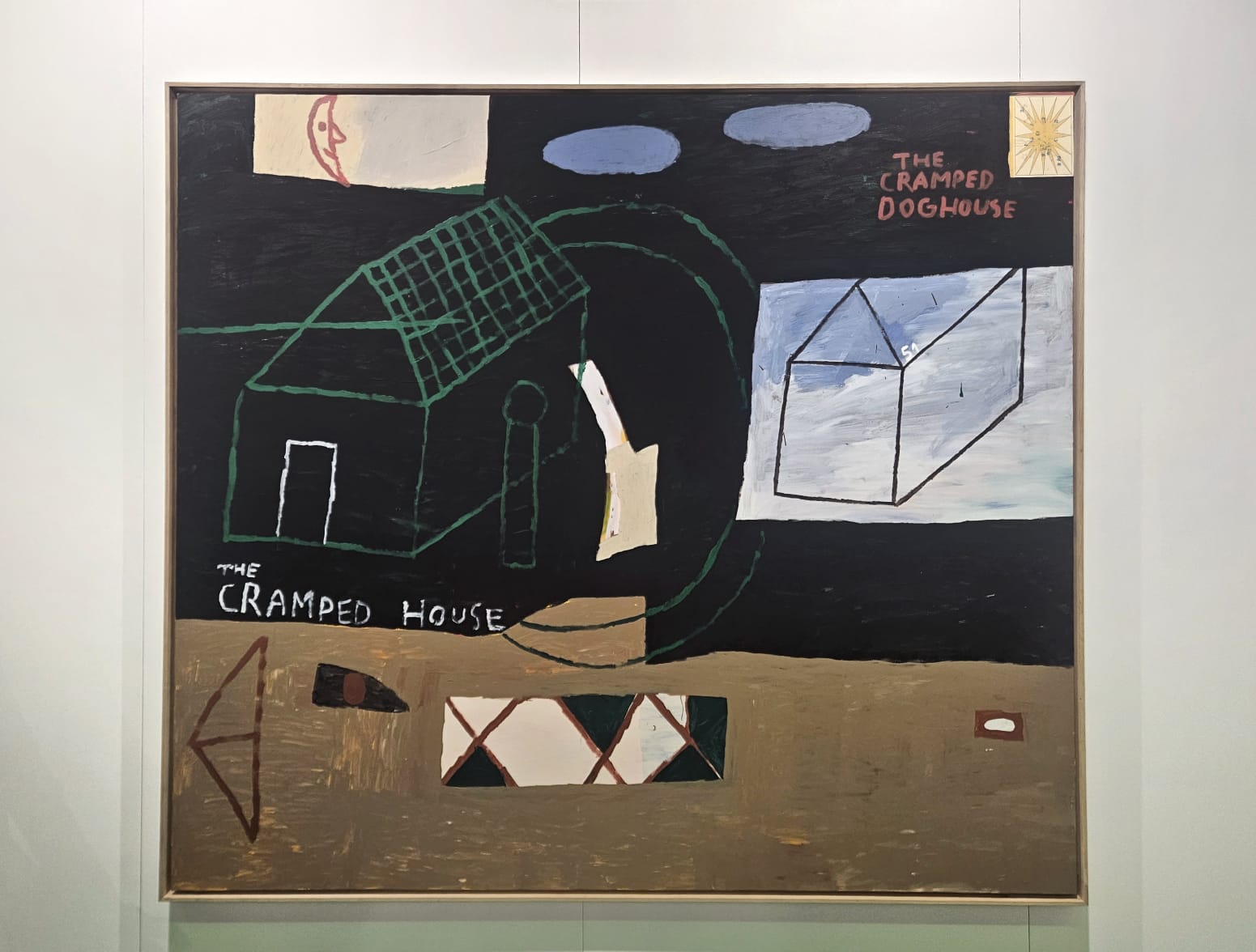
On the other hand, Rade Tepavčević approaches painting through a seemingly naive, yet deliberate and refined visual strategy. He intentionally distorts forms, pushing expression into the realm of naive aesthetics – not as an end in itself, but as a means to direct the viewer’s attention to the core message. Many of his paintings feature text – written fragments that become integral to the composition and visual discourse. His works thus function as direct and often uncomfortable commentaries on contemporary life, where symbols such as anthropomorphic dogs, tattoos, or miniature shelters serve as markers of reality.
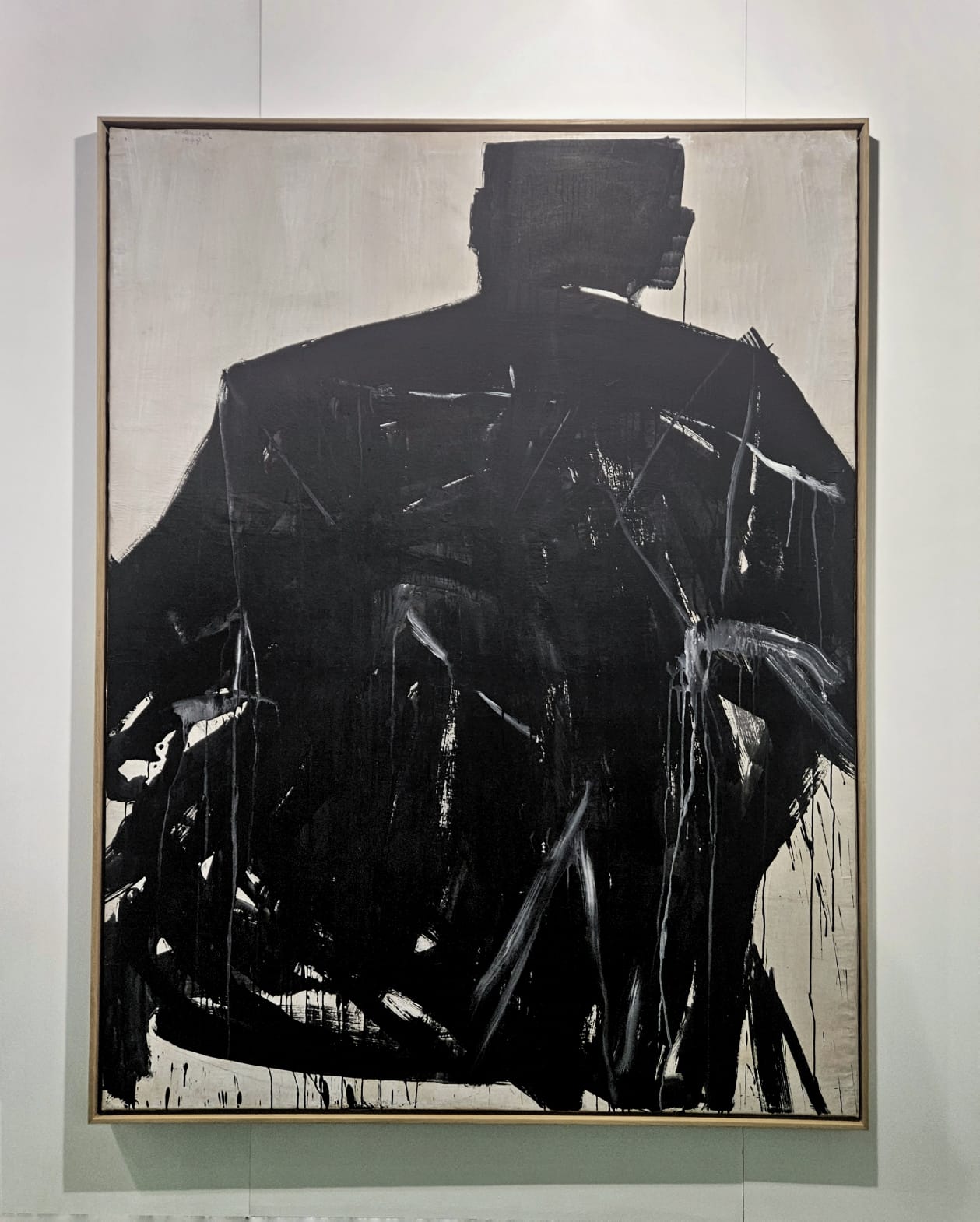
In Blanuša’s painting, one finds a direct, unambiguous visual critique of the contemporary human being, reduced to a generic, de-individualized figure. His sculptural work reinforces the message conveyed through his two-dimensional compositions. The lack of individuality in his male figures – their raw, unpolished, repetitive forms – highlights a dehumanized society in which the self becomes collective.
The difference between Ivačković and Blanuša is a fundamental one: while Ivačković removes all recognizable form from his compositions in pursuit of a universal visual language, Blanuša expresses himself through figuration, using it as a weapon against uniformity and the erosion of meaning in post-industrial existence. Ivačković’s painting relates to music – color, form, and compositional rhythm are essentialized – while Blanuša’s image acts as constraint, as critique. The anonymous, repetitive suited man, devoid of distinct traits, becomes an obsessive figure in Blanuša’s work, in the same way that tense geometry or chromatic gesture remain constants in Ivačković’s.
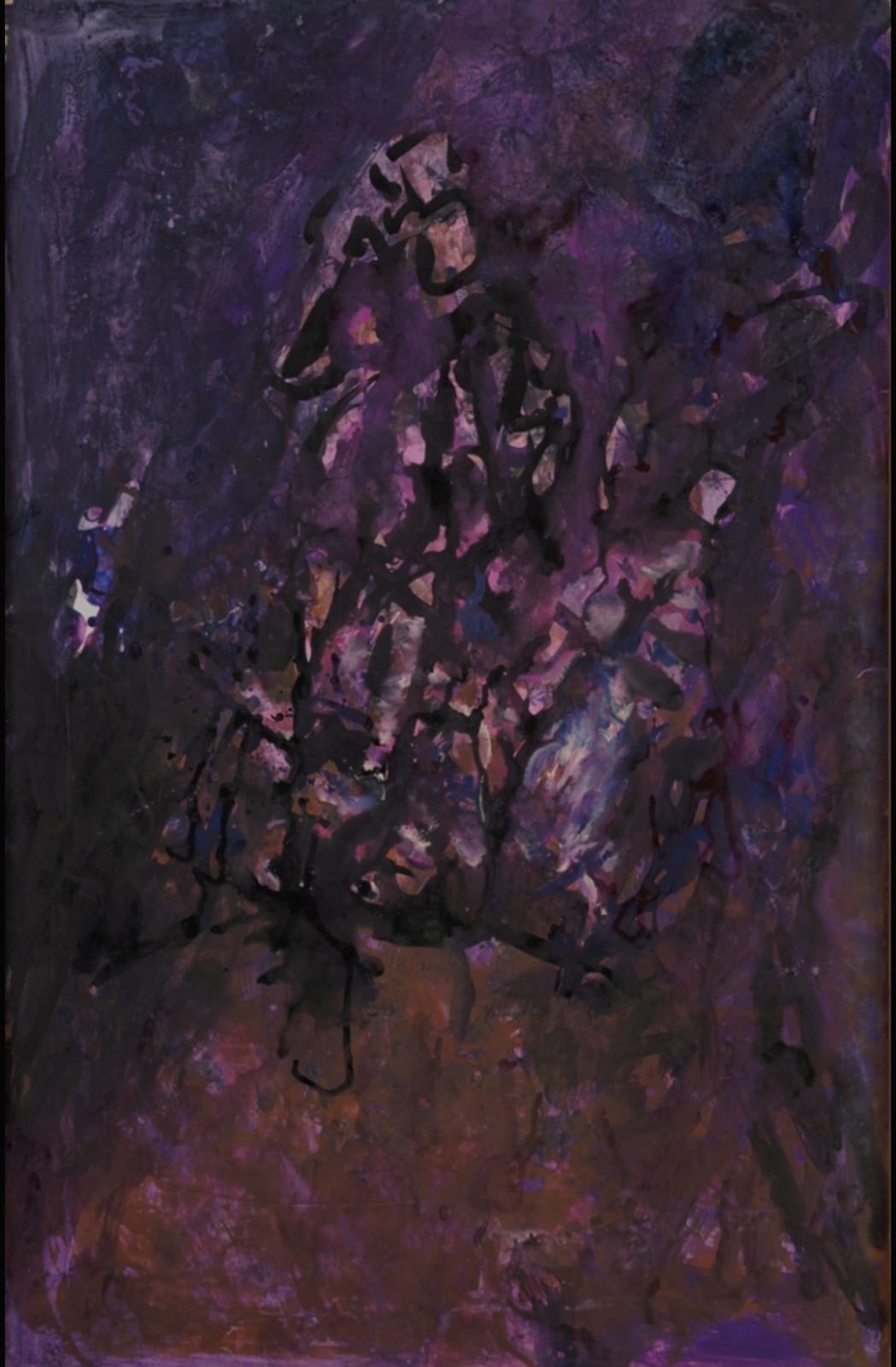
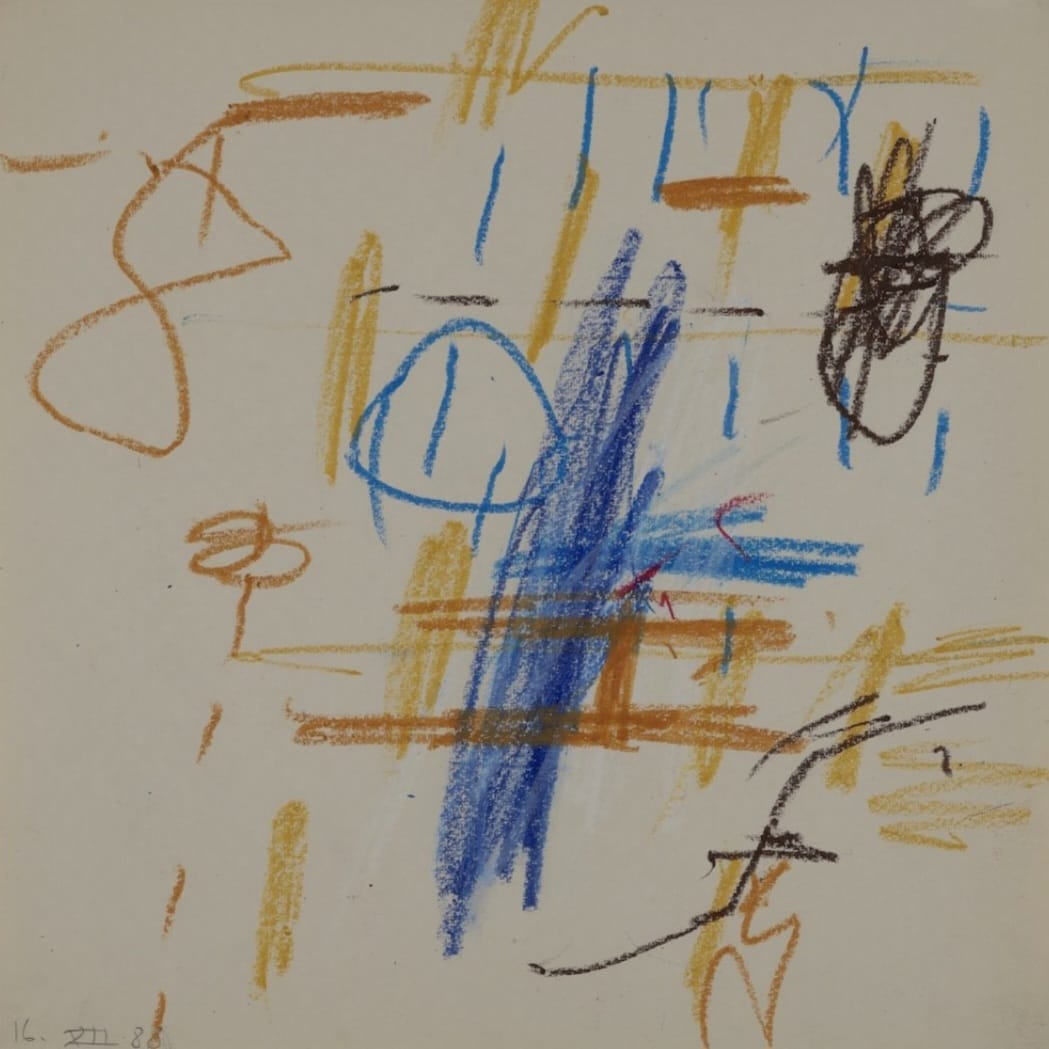
From another perspective, a significant distance in approach can also be observed between the painting of Milorad Bata Mihailović and that of Đorđe Ivačković. They embody two fundamental attitudes toward abstraction in postwar art: one intuitive, visceral; the other analytical and constructed. Mihailović paints in a gestural, layered manner, with free brushstrokes and a nearly meditative inner lyricism. In contrast, Ivačković addresses the surface with visual discipline, bringing painting closer to drawing and page architecture; his works are rigorous, graphically articulated, and compositionally clear.
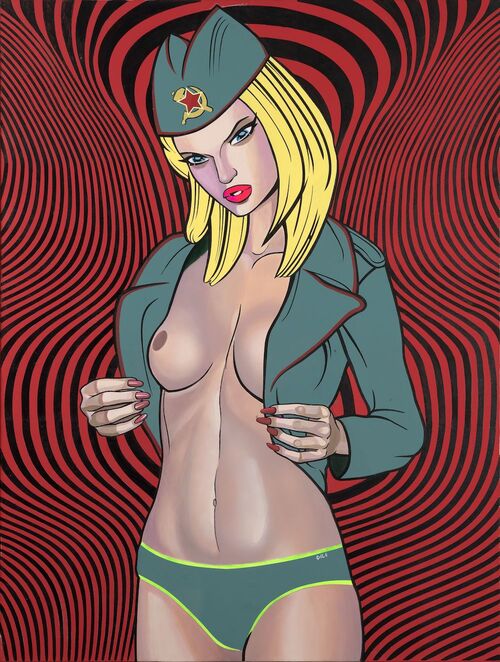
The selection is contrasted by the presence of Srđan Đile Marković, whose compositions – drawing from pop culture, underground comics, and the aesthetics of the grotesque – introduce an urban, incisive, and ironic register that adds a provocative layer to the exhibition as a whole.
From introspective abstract lyricism to direct social critique and urban irony, the exhibition does more than document – it puts into tension different ways of understanding the image today.